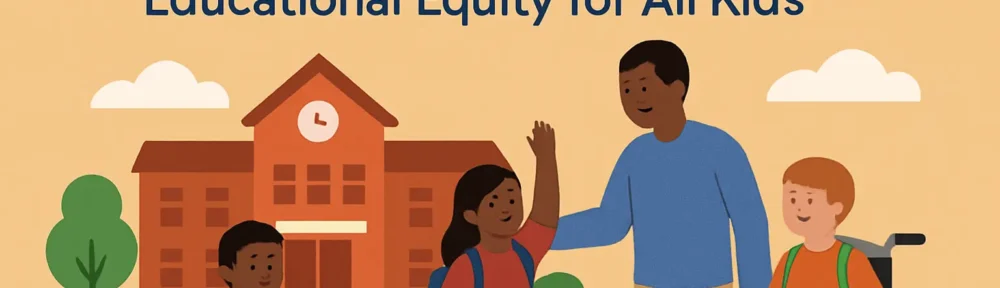
Unlocking Potential: How School Support Programs Foster Educational Equity for All Kids
In our ever-evolving world, the significance of educational equity cannot be overstated. Every child deserves an equal opportunity to learn, grow, and thrive. However, various factors can create significant disparities in the educational landscape. School support programs are emerging as a powerful solution to bridge these gaps and unlock the potential of every child. These programs not only provide essential resources but also foster an inclusive environment where all students can prosper. In this article, we will explore how these initiatives work to promote educational equity and empower children from diverse backgrounds.
Understanding Educational Equity
Educational equity means ensuring that all students receive the support they need to achieve their full potential, regardless of their socioeconomic status, race, or other challenging circumstances. The goal is to create an education system where:
- Students have access to high-quality resources and learning opportunities.
- Differences in achievement are addressed and minimized.
- Every child feels valued and included in the learning process.
School support programs play a critical role in achieving these objectives, providing targeted interventions that address the unique needs of students.
Types of School Support Programs
There are various types of school support programs designed to meet the diverse needs of students. Some of the most effective include:
- Tutoring and Mentorship Programs: One-on-one or small group tutoring helps students grasp challenging subjects while mentorship programs pair students with role models who inspire and guide them.
- After-School Programs: These programs offer additional academic support, enrichment activities, and a safe space for students to engage in learning outside regular school hours.
- Social and Emotional Learning (SEL) Initiatives: Programs focused on SEL help children develop critical skills like empathy, resilience, and self-regulation, which are vital for both academic success and personal development.
- Family and Community Engagement: Initiatives that involve parents and communities foster a supportive network around students, enhancing their educational experiences.
Benefits of School Support Programs
The impact of school support programs extends far beyond the classroom. Here are some key benefits:
- Improved Academic Performance: Targeted tutoring and support can lead to better grades, increased test scores, and overall academic achievement.
- Increased Engagement: When students feel supported and understood, they are more likely to engage actively in their learning processes.
- Reduced Dropout Rates: By identifying and addressing challenges early, support programs can help keep at-risk students in school and on track to graduate.
- Enhanced Social Skills: Programs that emphasize social and emotional learning equip students with vital interpersonal skills that are crucial for success in life.
Challenges and Solutions
While school support programs offer numerous benefits, several challenges can hinder their effectiveness:
- Funding Limitations: Many programs struggle with inadequate funding, which can limit their scope and reach. Advocating for increased educational funding at the local, state, and federal levels is essential.
- Lack of Awareness: Some parents and communities may not be aware of the available support programs. Schools should actively promote these initiatives through outreach and engagement efforts.
- Staff Training: Effective implementation of support programs requires trained staff who can address diverse student needs. Investing in professional development is crucial for program success.
Addressing these challenges through collaboration, advocacy, and community involvement can enhance the effectiveness of school support programs, ultimately fostering greater educational equity.
Conclusion
School support programs are essential tools in the fight for educational equity, empowering students from all backgrounds to achieve their full potential. By providing targeted resources, fostering inclusive environments, and engaging families and communities, these initiatives create a solid foundation for lifelong learning and success. Investing in and advocating for these programs is not just an educational imperative—it is a commitment to unlocking the potential of every child, ensuring that all kids can thrive in an increasingly competitive world.